Apple iPhone vs Samsung Galaxy: Which is the Better Smartphone
Compare Apple iPhone vs Samsung Galaxy smartphones in our 2025 buying guide. Discover which offers the best budget, mid-range, and flagship phone for your needs
Quick Answer
Compare Apple iPhone vs Samsung Galaxy smartphones in our 2025 buying guide. Discover which offers the best budget, mid-range, and flagship phone for your needs
Advertisement
Choosing the right smartphone can feel overwhelming. Apple’s iPhone and Samsung’s Galaxy series dominate the market, but which is right for you? In this buying guide, we break down their product lineups, hardware, software, camera performance, battery life, ecosystem, security, and value. We use clear, concise, and concrete language to help you decide.
1. Apple vs Samsung: Product Lineup Overview
Apple and Samsung both cover phones, laptops, wearables, and more, but their core customers differ. Samsung offers a broad range of Galaxy A, M, S, and Z series devices, while Apple keeps a tighter focus on four iPhone 16 models plus a handful of previous-generation options.
- Samsung Galaxy
- Entry-level: A/M series (A03s, A14, A15, A16)
- Mid-range: A55 5G, S24 FE
- Flagship: S25, S25 Ultra; foldables Z Flip 6, Z Fold 6
- Apple iPhone
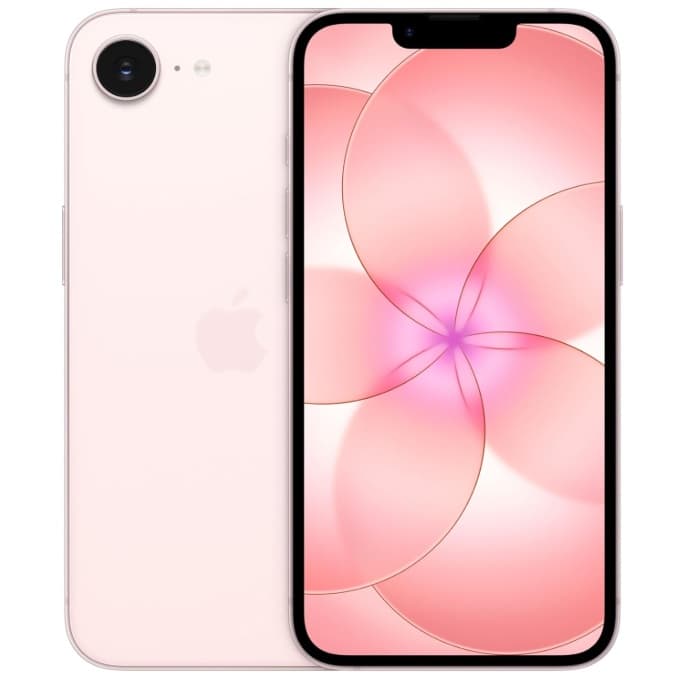
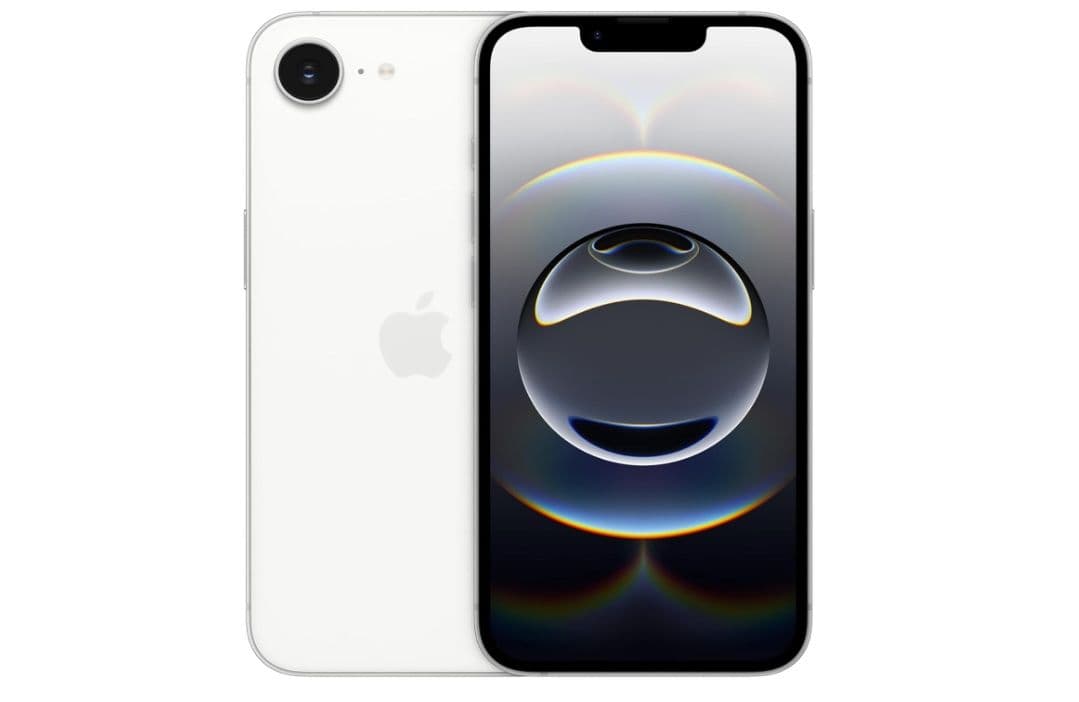
- Entry-level: iPhone SE (2022)
- Mid-range: iPhone 13, 14, 14 Plus
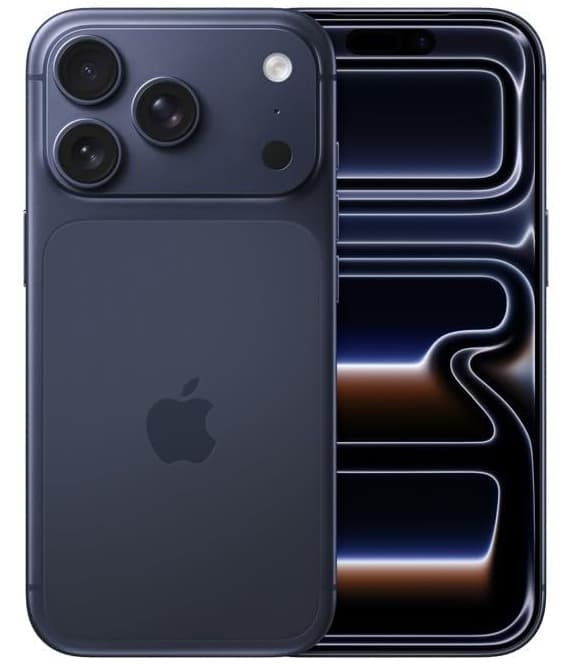
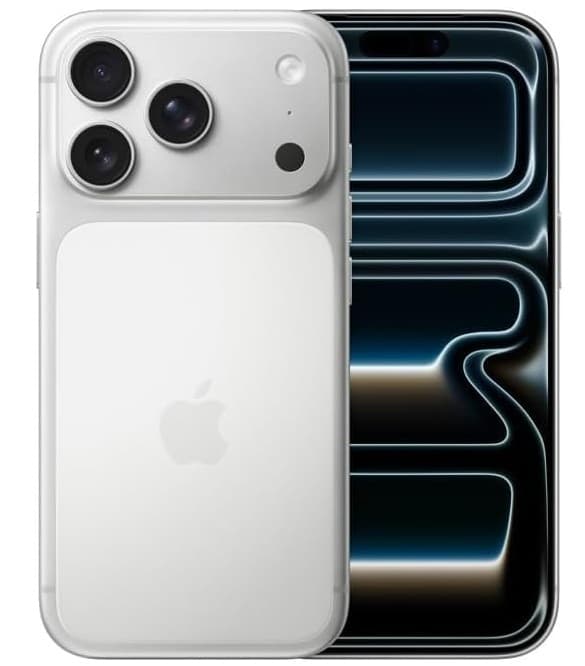
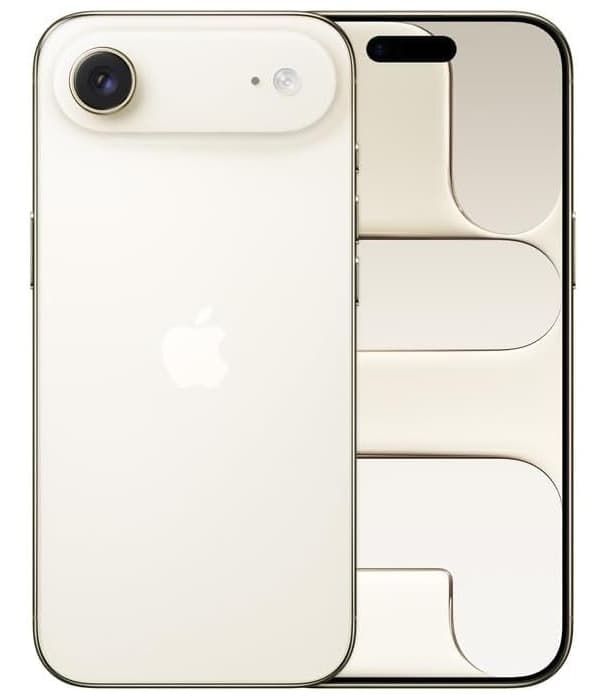
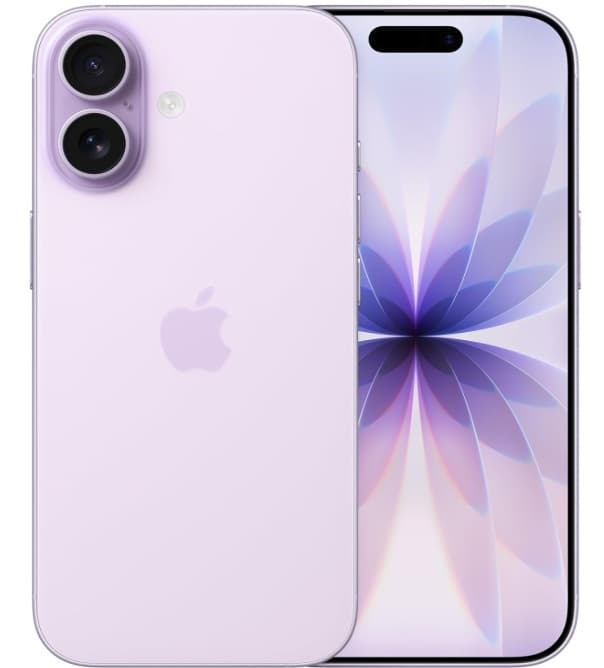
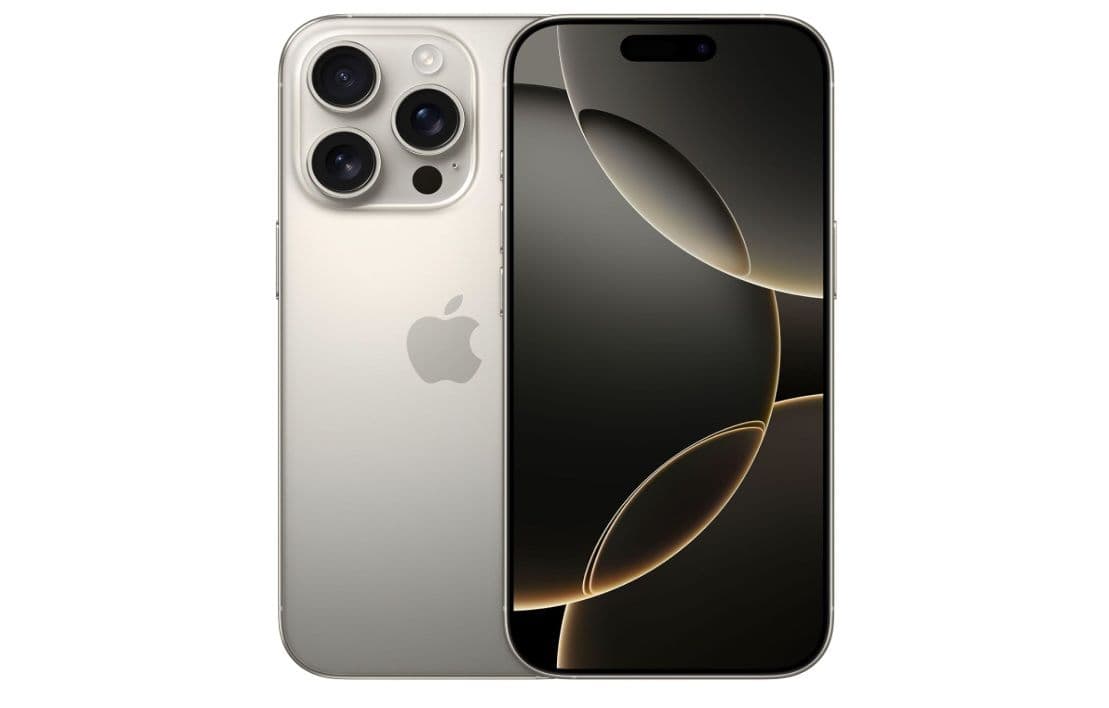
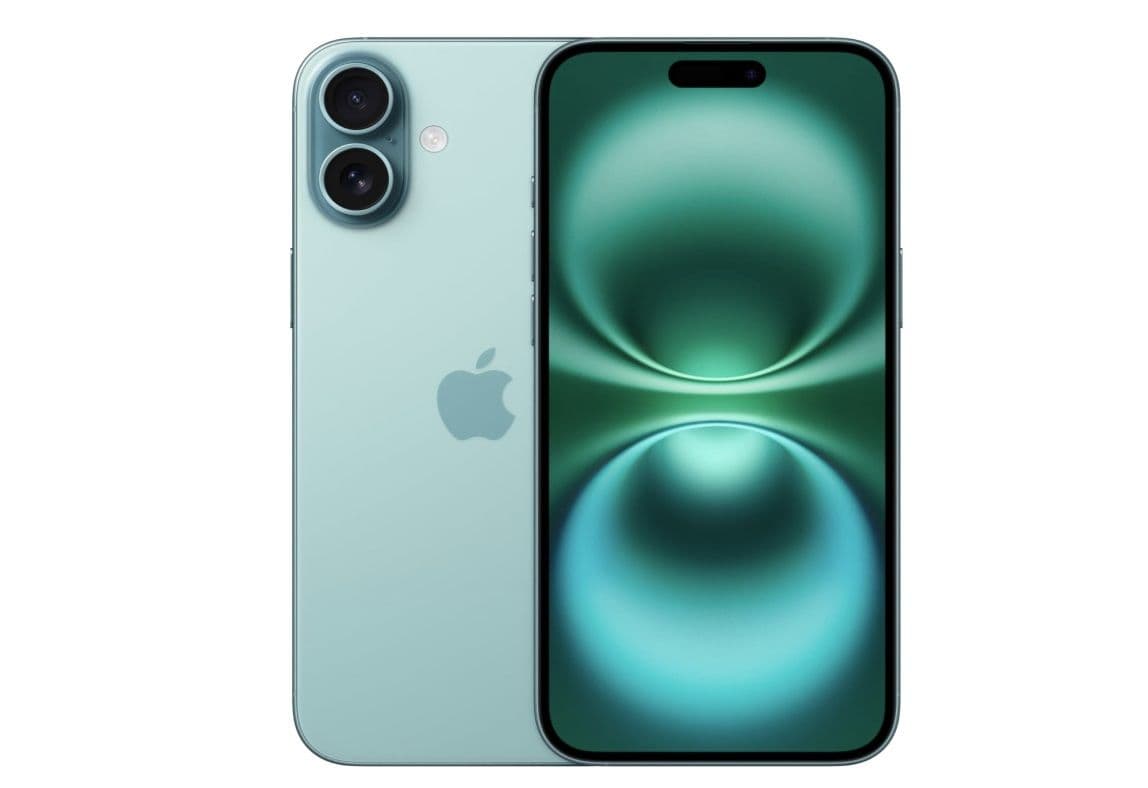
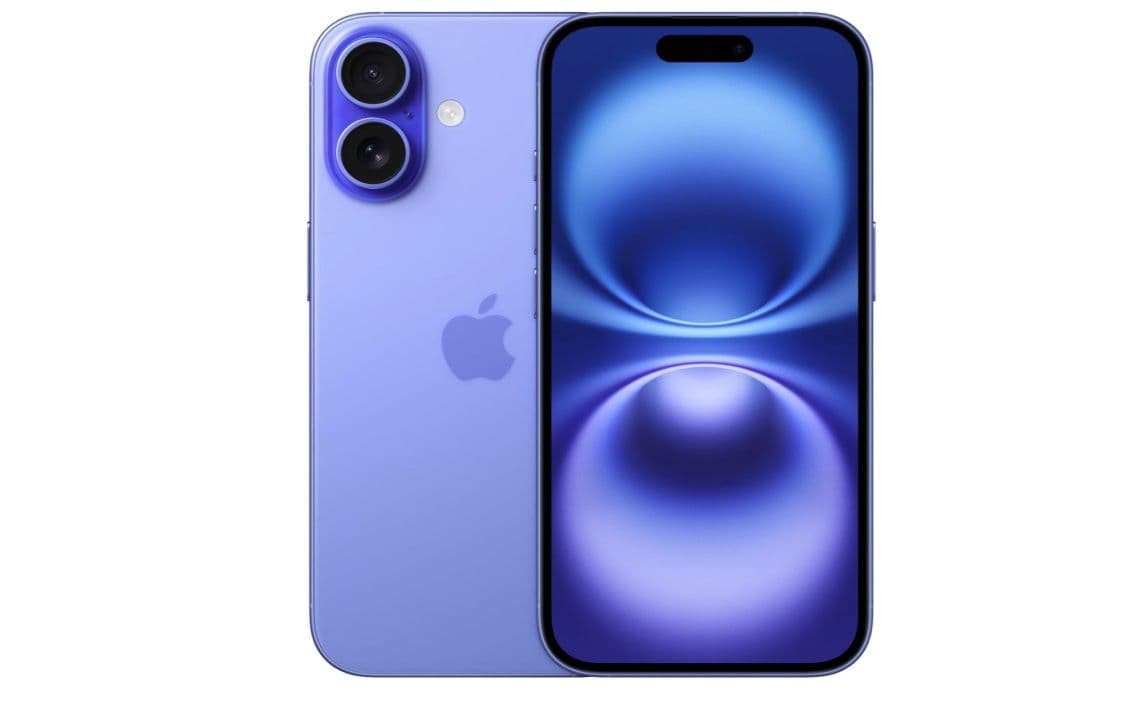
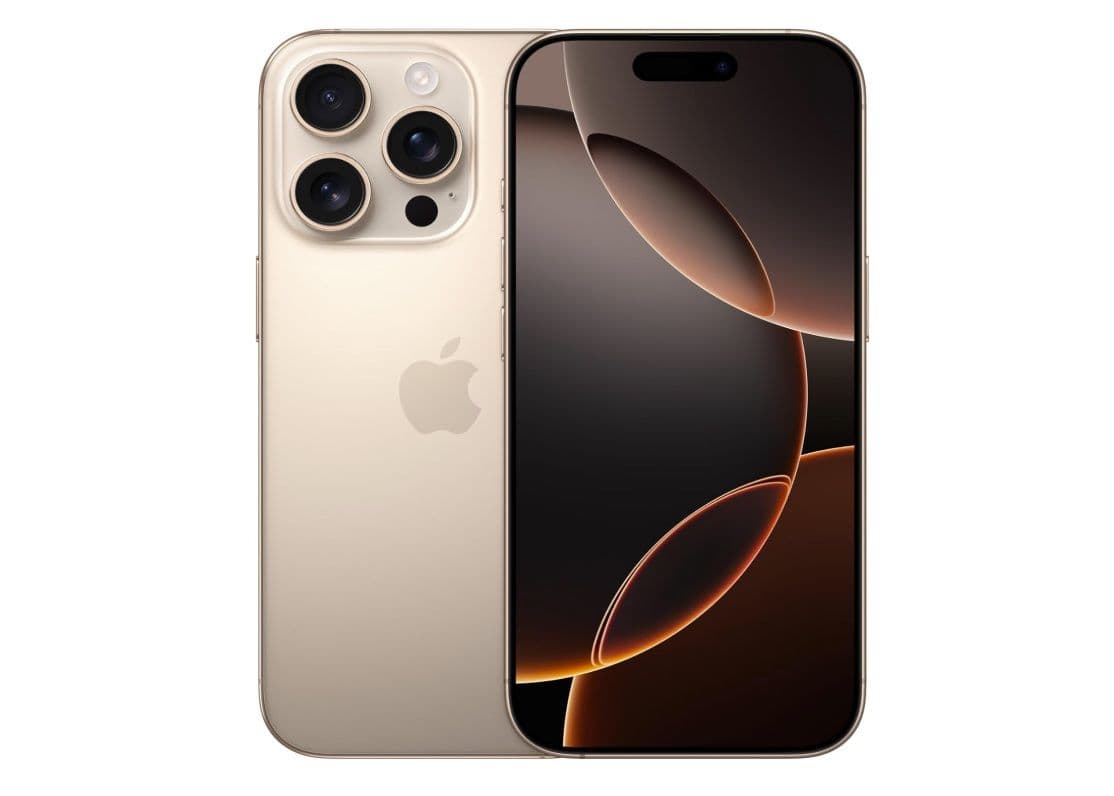
- Flagship: iPhone 16, 16 Plus, 16 Pro, 16 Pro Max
Right now, Apple does not offer users foldable smartphones, which means you get more premium options with Samsung.
See Also: How to Use Google Assistant: Setup, Key Features and Device Support
2. iPhone vs Galaxy Phone: Best Budget Smartphones
When you need a capable phone without breaking the bank, both brands have solid options, though they take different approaches.
Samsung Galaxy A-Series
Samsung’s budget lineup starts under $200 and still delivers features you’ll use:
- Galaxy A16 ($199): Sharp FHD+ AMOLED display, large 5,000 mAh battery, six years of software updates.
- Galaxy A15 & A14 5G ($180–$200): 90 Hz FHD+ screens, two-day battery life, headphone jack included.
- Galaxy A03s ($125): Basic but reliable, decent battery life, fingerprint reader, two OS updates plus four years of security patches.
These phones let you skip compromises on screen quality or battery performance while keeping price tags low.
Apple iPhone SE (2022)
Starting at $429, the SE sits above most budget Androids but offers:
- Apple’s A15 Bionic chip (same as iPhone 13/14) for snappy performance
- Wireless charging support
- Compact 4.7″ LCD with Touch ID
You trade off screen size and a single 12 MP camera for Apple’s enduring software support, six iOS updates, and five years of security patches.
Which to choose?
- Go Samsung if you want larger screens, longer battery life, and a headphone jack for under $200.
- Go Apple SE if raw processing power and guaranteed updates matter more than display size or the latest design.
See Also: Samsung Galaxy S25 Edge Review: What’s the New Buzz About Thinness?
3. iPhone vs Galaxy Phone: Top Mid-Range Picks

In the $400–$600 bracket, you can snag features once reserved for flagships:
- Galaxy A55 5G ($390): 120 Hz AMOLED, Wi-Fi 6E, Bluetooth 5.3, three-day battery life, four OS updates.
- Galaxy S24 FE ($550): Snapdragon 8 Gen 3, 120 Hz display, 50 MP OIS camera, wireless charging.
- iPhone 14 ($699) & 14 Plus ($799): A15 Bionic, OLED screens, Cinematic Mode video, MagSafe.
- iPhone 13 ($599): A15 Bionic, dual 12 MP cameras, 5G capable.
Samsung wins on raw spec and wireless tech for less money, while Apple excels at video quality and seamless iOS updates.
4. iPhone vs Galaxy Phone: Flagship Phone Comparison
Premium phones (above $800) promise the latest processors, top-tier cameras, and buttery-smooth displays:
- Samsung Galaxy S25 Series ($810–$1,300): Snapdragon 8 Elite, up to 200 MP main camera, 120 Hz AMOLED, S Pen on Ultra, seven years of updates.
- iPhone 16 Lineup ($799–$1,199): A18/A18 Pro chips, ProMotion (120 Hz) on Pro models, ProRes video, Action button, USB 3.1 on Pro.
Highlights:
- S25 Ultra: Best for photography power users and note-taking with built-in S Pen.
- iPhone 16 Pro Max: Best for video creators who want ProRes, Dolby Vision, and the tightest Apple integration.
See Also: Samsung Phone Deals in the US: Save up to $509 on Samsung Phones
5. iPhone vs Galaxy Phone: Design, Display & Durability

The design of both phones is different. The front design, back design, camera module, and volume and power button, etc, are different. Display quality, durability, and display features are generally the same.
Apple uses displays from Samsung for the iPhones. Below are some of the key display features and durability of both phones:
- Samsung Galaxy Display
- AMOLED across most models, 90 - 120 Hz, even on mid-range
- Gorilla Glass Victus on high-end phones
- Apple iPhone Display:
- Ceramic Shield on all non-SE models
- 120 Hz ProMotion only on Pro devices
- Uniform glass quality means consistent durability
Samsung pushes high refresh rates widely, while Apple reserves premium features for its Pro line.
6. Apple vs Samsung: Software and Updates
The Samsung Galaxy runs Android based on UI skin software, while the Apple iPhone runs Apple's in-house iOS software. The iOS is smoother and has better animation. However, the Galaxy OS is more customizable and user-friendly.
- Samsung One UI (Android): Highly customizable, app drawer, widgets, four to seven OS updates depending on model.
- iOS: Simple, consistent interface, six OS updates on all current devices, immediate availability on launch day.
Samsung now matches Apple on update length for flagships, though Android releases can arrive a few weeks later.
7. Samsung vs Apple: Ecosystem and Compatibility
Apple iPhones work well with other Apple products, while Galaxy phones work well with other Samsung products and other Android devices. One of the demerits of the Apple ecosystem is that it only works well with other Apple devices. In contrast, Galaxy phones also work well with other Android devices.
- Apple and iOS: iPhone, MacBook, iPad, Apple Watch, AirPods, everything works together seamlessly via Handoff, AirDrop, and Continuity.
- Samsung and Android: Galaxy Watch, Buds, Tabs, Galaxy Books, plus SmartThings for TVs and appliances. An open platform lets you mix brands.
Loyal to multiple Apple products? iOS pays off. Prefer flexibility? Android’s open ecosystem is for you.
See Also: Samsung Phone Deals in the UK: Save up to £1,163 on Samsung Phones
8. iPhone vs Galaxy Phone: Camera and Video Quality
Both smartphones have incredible camera sensors and video features. However, while Samsung uses big sensors for its Galaxy phones, Apple uses smaller sensors but has more video features.
- Samsung S-Series Ultra: Up to 200 MP sensor, 10× optical zoom, Galaxy AI editing tools.
- iPhone Pro Models: 48 MP main, 5× telephoto, ProRes video, Dolby Vision, Apple Intelligence photo cleanup.
Samsung leads in megapixels and creative AI features; Apple leads in video workflow and color accuracy.
9. iPhone vs Galaxy Phone: Battery & Charging
Samsung phones have bigger batteries compared to Apple phones. However, both phones feature similar charging features. See details of the battery and charging below:
- Samsung: 4,500–5,000 mAh batteries, 45 W wired, 15 W wireless, reverse wireless charging.
- Apple: 3,200–4,600 mAh, up to 27 W wired (Pro Max), 15 W MagSafe wireless, reverse wired at 4.5 W.
Samsung lasts longer and charges faster; Apple balances efficiency through hardware-software optimization.
10. Apple vs Samsung: Security & Privacy
Both smartphones are secure, but Apple has a closed ecosystem while Samsung has a more open ecosystem. Below are some of the security and privacy features on both phones:
- iOS: Closed ecosystem, strict App Store review, on-device Face ID/Siri processing.
- Android: Google Play Protect, sandboxing, Samsung Knox secure folder, more sideloading options.
Both platforms are secure; Apple’s uniform update rollout and tight App Store control give it a slight edge.
11. iPhone vs Galaxy Phone: Value & Resale

While both phones offer good value for the money, the Apple iPhones generally have better resale value than the Galaxy phones. Below is a summary of the value of the iPhones and Galaxy phones:
- Samsung: Lower entry prices, faster depreciation, but still respectable trade-in credit.
- Apple: Higher upfront cost, slower depreciation, stronger resale market, and trade-in value.
If you upgrade often, Apple’s resale value can offset its premium price. If upfront cost is king, Samsung offers more specs for less.
Apple iPhone vs Samsung Galaxy: Final Thoughts
There’s no absolute winner, only what fits your needs:
- Budget buyers get a huge bang for the buck with the Galaxy A-series or raw speed in the iPhone SE.
- Mid-range shoppers enjoy cutting-edge features on the Samsung A55 or steady iOS support on the iPhone 14.
- Flagship fans face a true showdown between S25 Ultra’s power and iPhone 16 Pro Max’s video prowess.
Match your priorities: camera, battery life, ecosystem, or resale value to make the best choice. Happy shopping!