Apple iPhone 16e vs iPhone 16
Phone Comparison

Apple iPhone 16e vs iPhone 16: Which iPhone is Right for You?

Deciding between the iPhone 16e and iPhone 16? This in-depth comparison covers everything from display and performance to cameras and battery life.

By firstayo10 months ago

Quick Answer

Deciding between the iPhone 16e and iPhone 16? This in-depth comparison covers everything from display and performance to cameras and battery life.

Advertisement

Apple iPhone 16e vs iPhone 16: Apple's latest smartphone releases, the iPhone 16e and iPhone 16, offer compelling options for different users. While both are powerful devices running iOS 18, they have distinct differences in features, specifications, and pricing that could influence your buying decision.

We've compiled a detailed comparison to help you understand what sets these two Apple iPhones apart and which one might be the perfect fit for you.

See Also: Apple iPhone vs Samsung Galaxy: Which is the Better Smartphone

Apple iPhone 16e vs iPhone 16

Apple iPhone 16e vs iPhone 16

Pricing and Colors

Pricing is often a decisive factor.

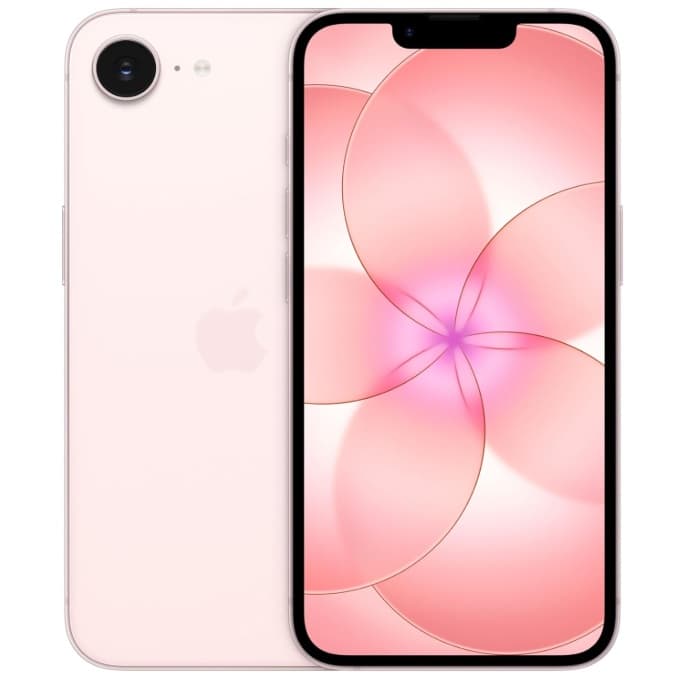
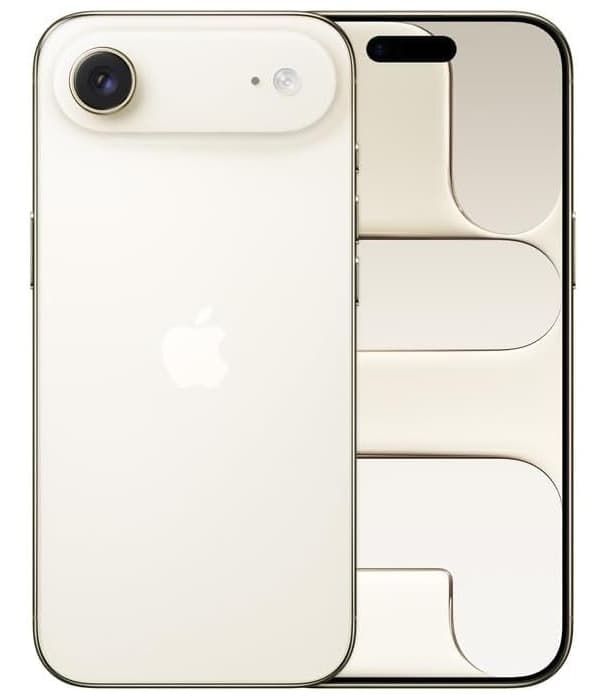
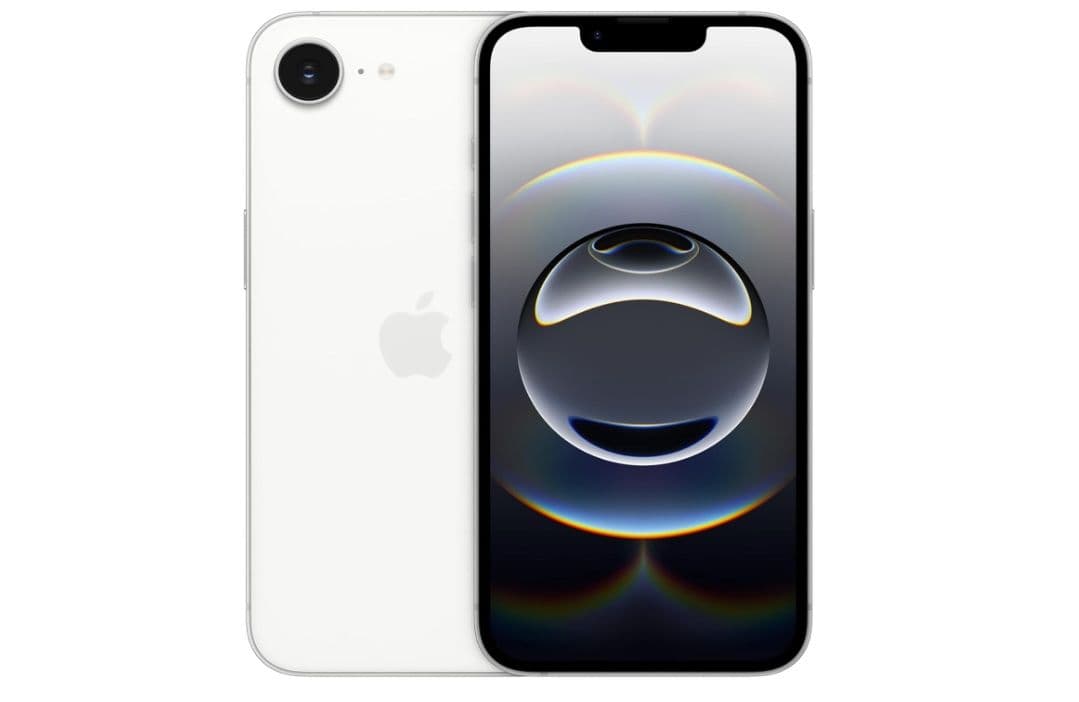
  • The Apple iPhone 16e is available in Black and White. Its price starts at $518.36 / £544.00 / €599.00.
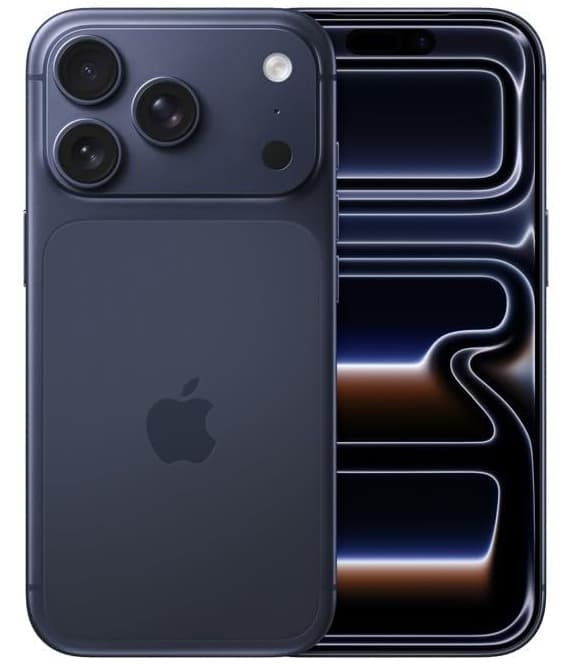
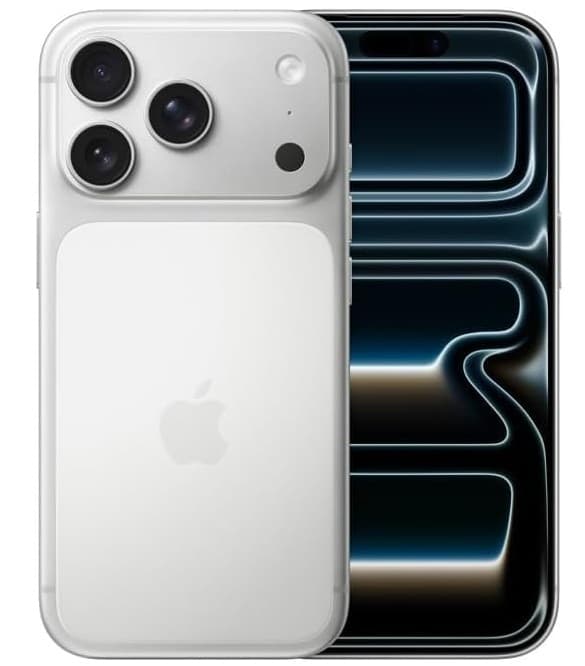
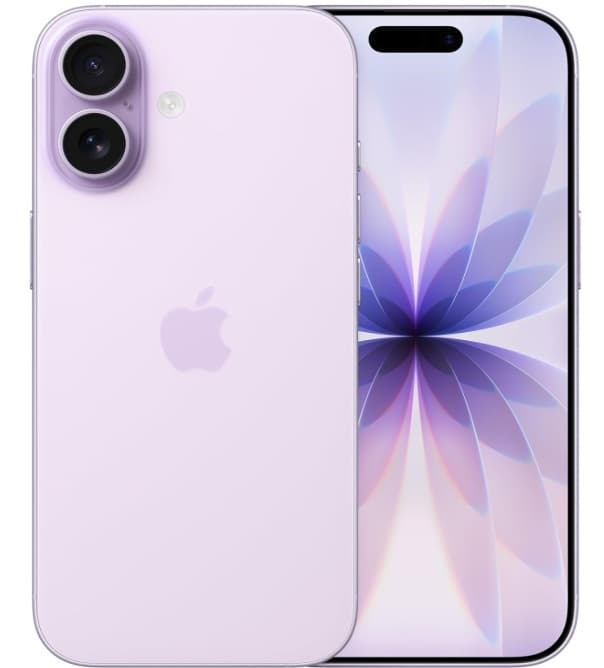
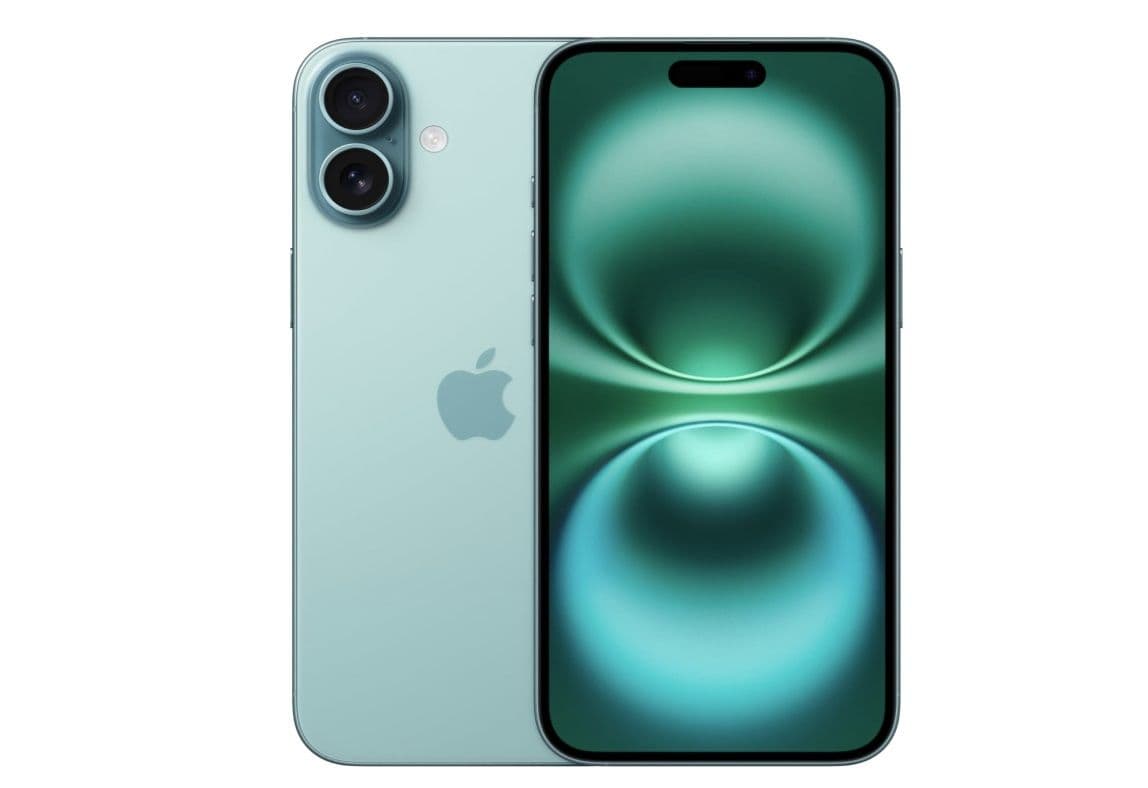
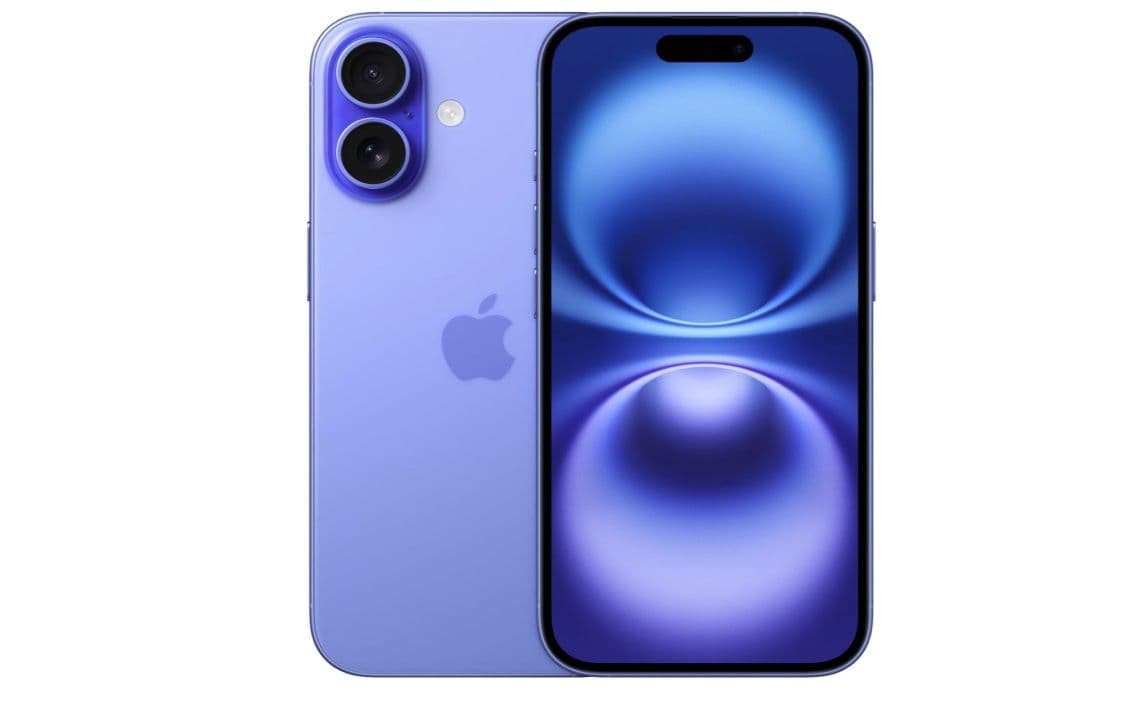
  • The Apple iPhone 16 offers a wider range of colors: Black, White, Pink, Teal, and Ultramarine. Its price starts at C$1,020.00 / $689.00 / £629.10 / €780.90.

The iPhone 16e is significantly more affordable, making it an excellent option for budget-conscious buyers looking for a modern iPhone experience.

Buy Apple iPhone 16e

Buy Apple iPhone 16

Design and Build Quality

Both the iPhone 16e and iPhone 16 share a premium build with a glass front, glass back, and an aluminum frame. They also both feature IP68 dust and water resistance, meaning they can be immersed up to 6 meters for 30 minutes. Apple Pay is supported on both devices.

However, there are slight differences in dimensions and weight:

  • The iPhone 16e measures 146.7 x 71.5 x 7.8 mm and weighs 167 g.
  • The iPhone 16 is slightly larger and heavier at 147.6 x 71.6 x 7.8 mm and 170 g.

Both devices support various SIM configurations, including Nano-SIM and eSIM options for international use, or eSIM-only for USA models, and dual Nano-SIM for China.

See Also: Nothing Phone 3 vs iPhone 16: Which is Better?

Display

iPhone 16
iPhone 16

Both Apple iPhones feature stunning Super Retina XDR OLED displays, delivering vibrant colors and deep blacks.

  • The iPhone 16e has a 6.1-inch display with a resolution of 1170 x 2532 pixels (~457 ppi density). It supports HDR10 and offers 800 nits HBM (High Brightness Mode) and 1200 nits peak brightness. The screen is protected by Ceramic Shield glass, rated at Mohs level 4 for durability.
  • The iPhone 16 also has a 6.1-inch display, but with a slightly higher resolution of 1179 x 2556 pixels (~460 ppi density). It supports HDR10 and Dolby Vision, boasting 1000 nits typical brightness and an impressive 2000 nits HBM. The display protection is Ceramic Shield glass (2024 generation), also rated at Mohs level 4.

While both offer excellent visual quality, the iPhone 16 provides a brighter display with 2000 nits HBM compared to the iPhone 16e's 800 nits HBM, making it significantly better for outdoor visibility.

Chipset and Software

Both the iPhone 16e and iPhone 16 are powered by Apple's cutting-edge A18 chip (3 nm) with a Hexa-core CPU (2x4.04 GHz + 4x2.20 GHz). This ensures powerful and efficient performance for all tasks.

However, a key difference lies in their GPU:

  • The iPhone 16e features an Apple GPU with 4-core graphics.
  • The iPhone 16 comes with an Apple GPU boasting 5-core graphics. This extra GPU core gives the iPhone 16 a slight edge in graphics-intensive tasks, like gaming or video editing.

In terms of operating system, the iPhone 16e ships with iOS 18.3.1, upgradable to iOS 18.5, while the iPhone 16 initially shipped with iOS 18, also upgradable to iOS 18.5. Both offer seamless user experiences with Apple's latest software innovations.

Both phones offer 8GB of RAM with internal NVMe storage options of 128GB, 256GB, and 512GB. Neither phone supports a card slot for expandable storage.

See Also: Apple iPhone 16 Pro Max vs Xiaomi 15 Ultra: Which is Better

Camera System

iPhone 16e
iPhone 16e

The camera capabilities are a major differentiator between these two Apple iPhones.

Main Camera:

  • The iPhone 16e features:
    • A single 48 MP wide sensor (f/1.6, 26mm, 1/2.55", 0.7µm) with PDAF and OIS. It supports Dual-LED dual-tone flash, HDR, panorama, and 3D (spatial) audio. Video recording includes 4K at various frame rates (24/25/30/60fps) and 1080p up to 240fps, with Dolby Vision HDR, OIS, and stereo sound recording.
  • The iPhone 16 steps up with a dual-camera system:
    • A 48 MP wide sensor (f/1.6, 26mm, 1/1.56", 1.0µm) with dual pixel PDAF and sensor-shift OIS. This larger sensor size means better low-light performance.
    • A 12 MP ultrawide sensor (f/2.2, 13mm, 120˚ FOV, 0.7µm) with dual pixel PDAF.

The iPhone 16 also features dual-LED dual-tone flash and HDR (photo/panorama). Its video capabilities are similar to the 16e, supporting 4K up to 60fps and 1080p up to 240fps, with HDR, Dolby Vision HDR (up to 60fps), and stereo sound recording.

Selfie Camera:

Both phones share the same 12 MP front-facing camera (f/1.9, 23mm, 1/3.6", 1.0µm) with PDAF and an SL 3D depth/biometrics sensor for Face ID. Both support HDR, Dolby Vision HDR, 3D (spatial) audio, and stereo sound recording. Video recording is available at 4K up to 60fps and 1080p up to 120fps. The iPhone 16's selfie camera specifically mentions gyro-EIS for video stabilization.

Verdict: The iPhone 16 is the clear winner for photography, offering a versatile ultrawide lens and a larger main camera sensor for improved image quality, especially in challenging lighting conditions.

See Also: Nothing Phone 3 vs Samsung Galaxy S25: Which is Better?

Battery Life and Charging

Battery performance is a key factor for any smartphone user.

  • The iPhone 16e is equipped with a Li-Ion 4005 mAh battery. It supports wired charging (50% in 30 minutes) and 7.5W Qi wireless charging. Our tests indicate an active use score of 11 hours and 53 minutes, with an EU label battery endurance of 41 hours.
  • The iPhone 16 has a smaller Li-Ion 3561 mAh battery. It supports wired charging (PD2.0, 50% in 30 minutes), 25W MagSafe wireless charging, 15W Qi2 wireless charging, and 4.5W reverse wired charging. Despite the smaller capacity, its active use score is significantly higher at 15 hours and 42 minutes, with an EU label battery endurance of 37 hours.

Verdict: Surprisingly, the iPhone 16 offers better active use battery life despite a smaller battery, likely due to better power optimization or more efficient components. It also boasts faster wireless charging (MagSafe/Qi2) and reverse wired charging.

Connectivity and Other Features

Both models offer robust connectivity and modern features.

  • Wireless Connectivity: The iPhone 16e supports Wi-Fi 802.11 a/b/g/n/ac/6 (dual-band, hotspot), while the iPhone 16 steps up to Wi-Fi 802.11 a/b/g/n/ac/6/7 (tri-band, hotspot), indicating faster and more stable Wi-Fi performance on the latter. Both have Bluetooth 5.3, NFC, and comprehensive positioning systems (GPS, GLONASS, GALILEO, BDS, QZSS). Neither includes a 3.5mm jack or FM radio.
  • USB Port: Both utilize a USB Type-C 2.0 port, but the iPhone 16's port also supports DisplayPort, allowing for video output.
  • Sensors: Both feature Face ID, accelerometer, gyro, proximity, compass, and barometer.
  • Unique Features: Both support Emergency SOS, Messages, and Find My via satellite. The iPhone 16 additionally includes Ultra Wideband (UWB) support with its second-generation chip, offering enhanced spatial awareness for features like precise Find My tracking.
  • Audio: Both phones come with stereo speakers.

Performance Benchmarks

For those interested in raw performance numbers:

iPhone 16e:

  • AnTuTu (v10): 1,401,105
  • GeekBench (v6): 8,224
  • 3DMark (Wild Life Extreme): 2,850
  • Max Display Brightness: 799 nits (measured)
  • Loudspeaker: -25.7 LUFS (Very good)

iPhone 16:

  • AnTuTu (v10): 1,721,149
  • GeekBench (v6): 7,929
  • 3DMark (Wild Life Extreme): 4,295
  • Max Display Brightness: 1708 nits (measured)
  • Loudspeaker: -25.5 LUFS (Very good)

Verdict: The iPhone 16 generally outperforms the iPhone 16e in AnTuTu and 3DMark, indicating stronger overall system and graphics performance, particularly noticeable in demanding applications and games. It also boasts a significantly brighter measured display.

Which Should You Buy, the iPhone 16e or the iPhone 16?

Choosing between the iPhone 16e and iPhone 16 depends on your priorities and budget.

Choose the Apple iPhone 16e if:

  • You are budget-conscious but still want a brand-new iPhone with a powerful chip and excellent battery life in active use.
  • You primarily use your phone for everyday tasks, social media, and light gaming, and don't need the absolute best camera or the brightest screen for intense outdoor use.
  • You value a more compact form factor and slightly lighter weight.

Choose the Apple iPhone 16 if:

  • You are a photography enthusiast who wants a more versatile camera system with an ultrawide lens and improved low-light performance.
  • You frequently play graphics-intensive games or engage in other demanding tasks that benefit from a stronger GPU.
  • You prefer a brighter display for better outdoor visibility and a more vibrant viewing experience.
  • You appreciate faster wireless charging and advanced features like UWB support.
  • Your budget allows for a slightly higher investment for a more feature-rich and powerful device.

Both Apple iPhones deliver a premium experience, but the iPhone 16 offers notable upgrades in camera versatility, display brightness, and raw graphics performance, justifying its higher price tag for users who demand these enhancements. The iPhone 16e stands as an excellent value option, providing core iPhone strengths at a more accessible price point.

Launch and Availability

The Apple iPhone 16 was announced on September 9, 2024, and released shortly after on September 20, 2024. In contrast, the newer

Apple iPhone 16e was announced on February 19, 2025, and became available on February 28, 2025. This makes the iPhone 16e the more recently released model.