Apple iPhone 16 Pro Max vs Xiaomi 15 Ultra: Which is Better
Compare the Apple iPhone 16 Pro Max vs Xiaomi 15 Ultra in our detailed 2025 flagship comparison: design, display, camera, performance, battery, and connectivity
Quick Answer
Compare the Apple iPhone 16 Pro Max vs Xiaomi 15 Ultra in our detailed 2025 flagship comparison: design, display, camera, performance, battery, and connectivity
Advertisement
Deciding between the iPhone 16 Pro Max and the Xiaomi 15 Ultra means weighing design, display, performance, camera prowess, and battery endurance. Here’s a detailed look at how these two premium phones stack up, plus recommendations to help you choose the best fit.
Design and Durability
Both phones feel like true flagships, but they take different approaches to materials and protection.
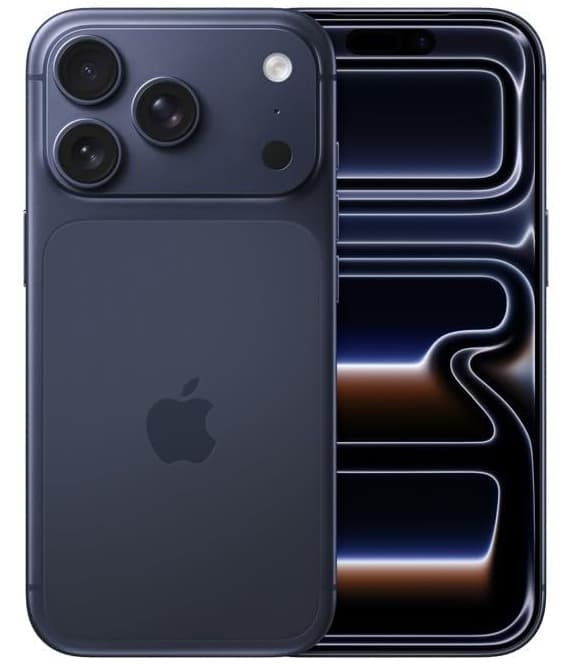
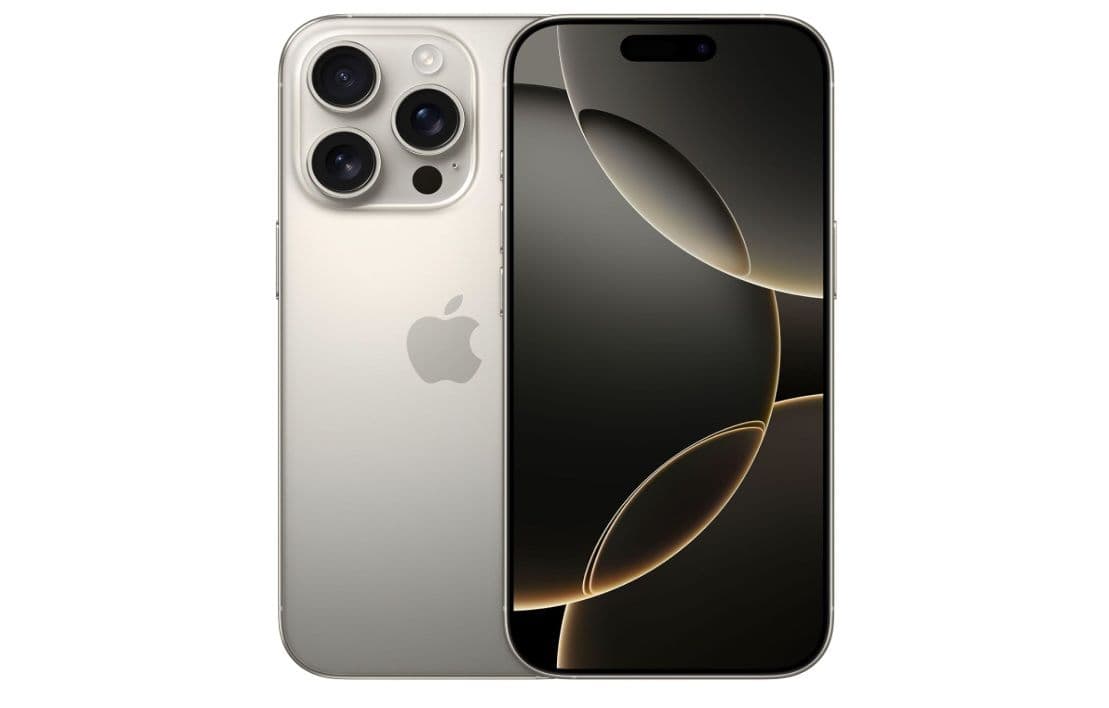
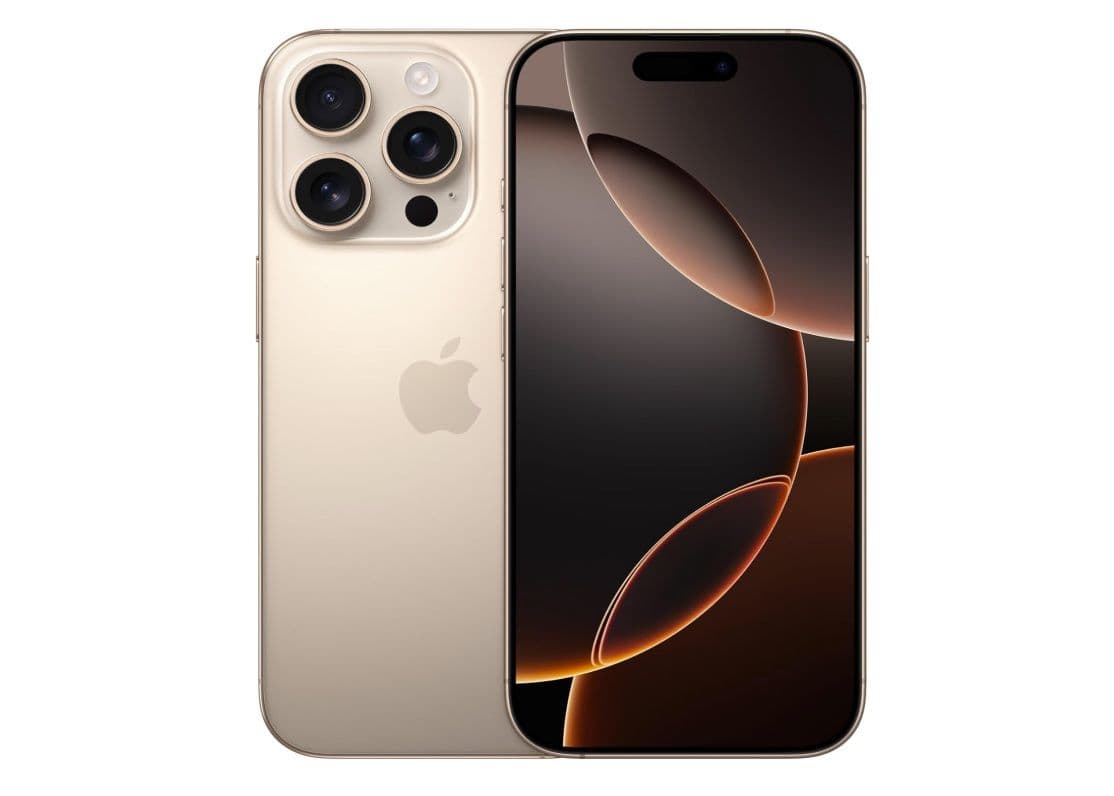
The iPhone 16 Pro Max uses a grade-5 titanium frame sandwiched between Ceramic Shield glass and a glass back. At 163 × 77.6 × 8.3 mm and 227 g, it’s hefty yet refined, and rated IP68 for six-meter water immersion.
By contrast, the Xiaomi 15 Ultra features an aluminum frame with Xiaomi Shield Glass 2.0 up front and a choice of eco-leather or glass-fiber back. Measuring 161.3 × 75.3 × 9.4 mm and weighing 226 g, it feels slightly slimmer and offers IP68 water resistance to 1.5 m.
If you want extreme water resistance, a premium titanium build, and a subtly rounded profile, go for the iPhone 16 Pro Max. If you prefer a lighter, narrower frame with eco-leather options and top-tier glass protection, the Xiaomi 15 Ultra is the pick.
See Also: Apple iPhone vs Samsung Galaxy: Which is the Better Smartphone
Display and Visual Experience

Both handsets deliver stunning screens, but with different strengths.
The iPhone 16 Pro Max sports a 6.9-inch LTPO Super Retina XDR OLED display at 1320 × 2868 pixels, 120 Hz refresh, and typical brightness of 1,000 nits (2,000 nits in HBM). Apple’s ProMotion and HDR10 with Dolby Vision guarantee fluid motion and vibrant HDR content, and real-world tests show up to 1,796 nits peak brightness.
Xiaomi’s 15 Ultra uses a 6.73-inch LTPO AMOLED panel at 1440 × 3200 pixels, 120 Hz, HDR10+, Dolby Vision, and a record-setting 3,200 nits peak brightness. With true 68 billion colors and ultra-high PWM dimming, it excels outdoors and in dark rooms alike.
For the brightest screen under direct sun and highest resolution, choose the Xiaomi 15 Ultra. For the smoothest integration with iOS, HDR workflows, and a slightly larger viewing area, stick with the iPhone 16 Pro Max.
See Also: vivo X200 Ultra vs Xiaomi 15 Ultra: Which is Better
Performance and Software
Under the surface, each phone relies on its maker’s flagship chipset and custom OS.
Apple equips the 16 Pro Max with its A18 Pro (3 nm) hexa-core chip and a six-core Apple GPU, all running iOS 18 (upgradable to 18.5). Its NVMe storage and 8 GB of RAM deliver buttery-smooth app launches and sustained performance.
Xiaomi packs the Snapdragon 8 Elite (3 nm), an octa-core CPU paired with Adreno 830 graphics, atop Android 15 with HyperOS 2. It offers 12–16 GB RAM and UFS 4.1 storage for seamless multitasking and console-level gaming.
If you value long-term software support, tight hardware-software synergy, and ecosystem features like Face ID and Ultra Wideband, the iPhone 16 Pro Max wins. If raw benchmark numbers and Android customization are your priorities, the Xiaomi 15 Ultra has the edge.
See Also: vivo X200 Pro vs Xiaomi 15 Ultra: Which Should You Buy
Camera Systems

Photography is where the iPhone 16 Pro Max and Xiaomi 15 Ultra shine in different ways.
On the iPhone 16 Pro Max, you get a 48 MP main sensor with sensor-shift OIS, a 12 MP periscope telephoto (5× zoom), a 48 MP ultrawide, and a LiDAR depth sensor. Video options include 4K at up to 120 fps, 10-bit HDR, ProRes, and spatial audio.
The Xiaomi 15 Ultra features a 50 MP 1″-type main sensor, a 50 MP telephoto (3×), a 200 MP periscope (4.3×), and a 50 MP ultrawide with TOF depth. It captures 8K video, 4K at 120 fps, Dolby Vision HDR, and 10-bit LOG.
For professional video capture, accurate color science, and Apple’s ProRes workflow, the iPhone 16 Pro Max is unmatched. For extreme megapixels, deeper zoom range, and Leica-tuned processing, choose the Xiaomi 15 Ultra.
Audio and Connectivity
Both phones deliver high-quality audio and extensive connectivity features.
The iPhone 16 Pro Max omits the headphone jack but supports MagSafe wireless charging, Qi2, Ultra Wideband with gen2, Face ID, emergency SOS via satellite, Wi-Fi 6E/7 tri-band, Bluetooth 5.3, and NFC.
Xiaomi’s 15 Ultra also lacks a jack but offers 24-bit/192 kHz Hi-Res Wireless audio, Wi-Fi 6E/7 dual-band, Bluetooth 6.0 with aptX Adaptive and LHDC 5, two-way satellite communication, infrared port, and NFC.
If you rely on seamless MagSafe accessories, Face ID security, and satellite SOS, the iPhone 16 Pro Max is ideal. If lossless Bluetooth codecs and infrared remote-control matter more, go with the Xiaomi 15 Ultra.
Battery and Charging
Endurance and charging speed can make or break a flagship experience.
Apple’s 16 Pro Max has a 4,685 mAh Li-Ion battery with PD 2.0 fast charging, 25 W MagSafe, 15 W Qi2 wireless, and 4.5 W reverse charging. It lasts over 17 hours of active use in tests.
Xiaomi offers a 5,410 mAh (global) or 6,000 mAh (China) Si/C battery with 90 W wired, 80 W wireless, and 10 W reverse wireless charging. Its real-world active use sits around 16 hours.
For the longest screen-on time, pick the iPhone 16 Pro Max. For the fastest refill via wired or wireless methods, the Xiaomi 15 Ultra is the clear choice.
iPhone 16 Pro Max vs Xiaomi 15 Ultra: Price
The price of the iPhone 16 Pro Max 256GB is currently $1,126.77, while the price of the Xiaomi 13 Ultra is $899. This makes the Xiaomi 13 Ultra about $300 cheaper than the iPhone 16 Pro Max.
Apple iPhone 16 Pro Max vs Xiaomi 15 Ultra: Final Verdict
Both the iPhone 16 Pro Max and Xiaomi 15 Ultra lead the 2025 flagship pack. Choose the iPhone 16 Pro Max if you prize iOS polish, Pro video tools, and titanium durability. Opt for the Xiaomi 15 Ultra if you want megapixel-heavy cameras, peak brightness, and rapid charging. Ultimately, your ecosystem and feature priorities will decide which powerhouse suits you best.