vivo X200 Ultra vs Xiaomi 15 Ultra: Which is Better
Compare vivo X200 Ultra vs Xiaomi 15 Ultra in our in-depth 2025 flagship smartphone comparison. Discover which phone wins on display brightness, camera...
Quick Answer
Compare vivo X200 Ultra vs Xiaomi 15 Ultra in our in-depth 2025 flagship smartphone comparison. Discover which phone wins on display brightness, camera...
Advertisement
Choosing the right flagship phone means weighing design, display, camera power, performance, and battery life. In this vivo X200 Ultra vs Xiaomi 15 Ultra comparison post, we break down every key spec of both smartphones and help you know which is better. By the end, you’ll know which phone deserves your next upgrade.
Design & Durability

Both phones share high-end builds and water resistance, but they differ in materials and style:
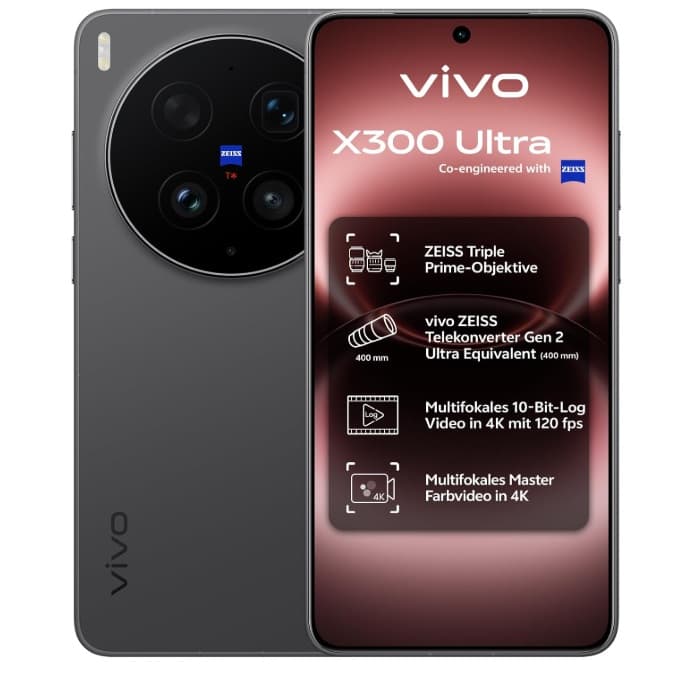
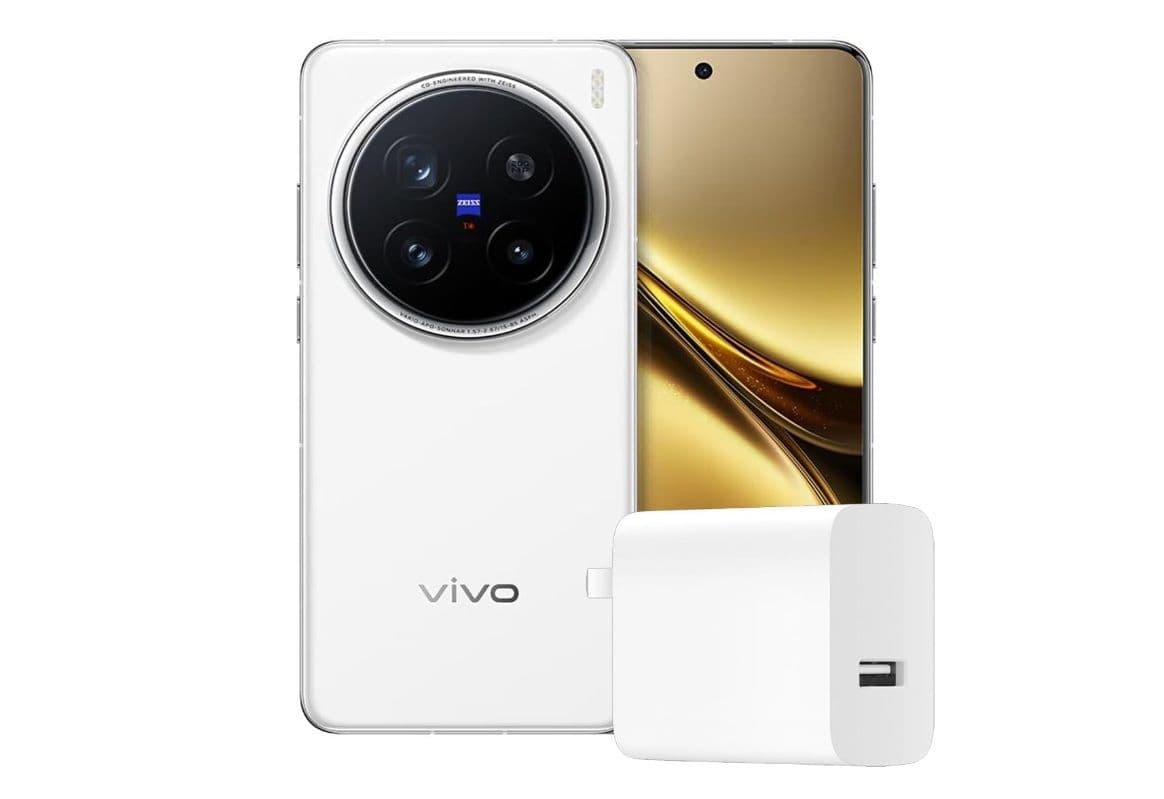
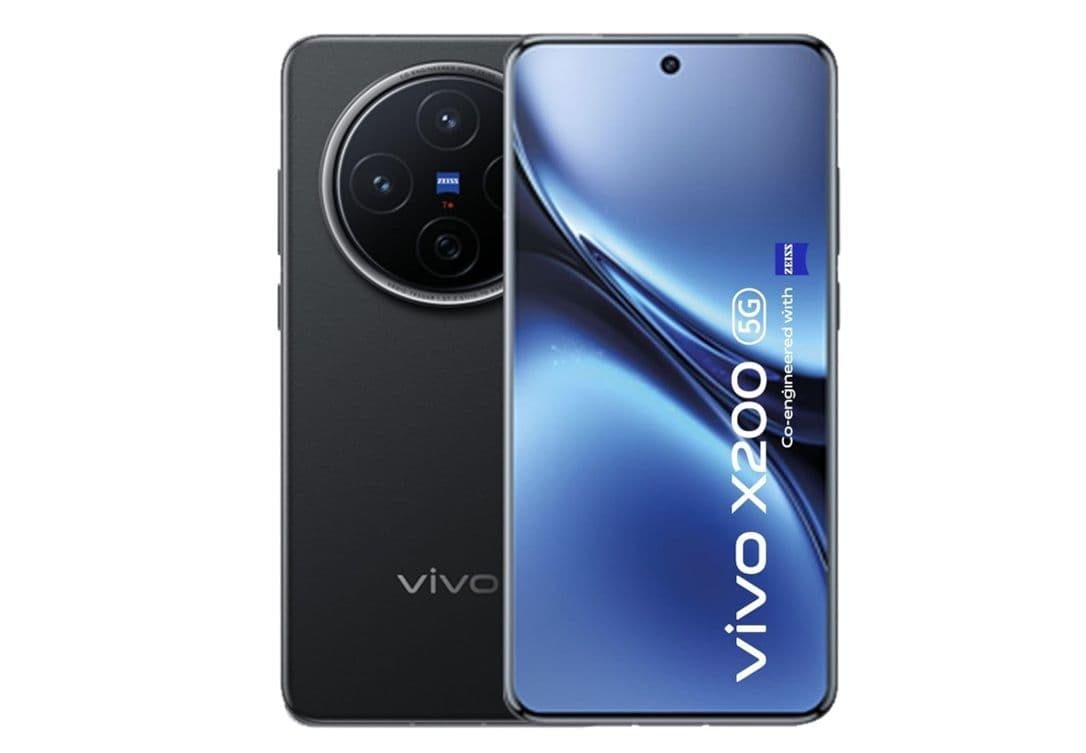
- vivo X200 Ultra uses aerospace-grade glass fiber on the back, Gorilla Armor Glass front, and an aluminum frame. It measures 163.1 × 76.8 × 8.7 mm and weighs around 230 g. Rated IP69/IP68, it survives dust, high-pressure water jets, and 1.5 m immersion for 30 minutes.
- Xiaomi 15 Ultra opts for a glass front with Xiaomi Shield Glass 2.0, an aluminum frame, and either eco-leather or glass-fiber back. At 161.3 × 75.3 × 9.4 mm and 229 g, it’s slightly more compact. It carries an IP68 rating for 1.5 m immersion.
Recommendation: If you need the toughest water-jet protection and an industrial look, choose vivo. For a sleeker, slightly narrower feel with premium leather options, go with Xiaomi.
See Also: vivo X200 Pro vs Xiaomi 15 Ultra: Which Should You Buy
Display Performance
Both devices feature 6.8-inch LTPO AMOLED screens at 120 Hz, but brightness and color depth vary:
- The X200 Ultra delivers up to 4,500 nits peak brightness, 1 billion colors, and a 1440 × 3,168 resolution (~510 ppi). Measured peak brightness hits 1,816 nits in real-world tests.
- The 15 Ultra offers 3,200 nits peak brightness, 68 billion colors, and 1440 × 3,200 resolution (~522 ppi).
Both support Dolby Vision, HDR Vivid, and ultra-high PWM dimming (2,160 Hz for vivo, 1,920 Hz for Xiaomi). If you often use your phone in bright sunlight, vivo’s higher peak will win. For sharper text and slightly higher pixel density, the Xiaomi edges ahead.
Performance & Software
Under the hood, both run Qualcomm’s Snapdragon 8 Elite (3 nm) with identical CPU (2×4.32 GHz + 6×3.53 GHz) and Adreno 830 GPU:
- vivo X200 Ultra ships with Android 15 and OriginOS 5. In benchmarks, it scores 2,914,061 on AnTuTu, 9,410 on GeekBench 6, and 6,816 on 3DMark Wild Life Extreme.
- Xiaomi 15 Ultra uses Android 15 with HyperOS 2, promising four major updates. Its benchmark scores are similar but slightly lower in GPU tests.
Both handle gaming and multitasking at peak settings. If you prefer a highly customizable UI with extra customization tools, OriginOS may suit you. If smoother animations and tighter integration with MIUI-style features appeal, choose HyperOS.
See Also: Apple iPhone vs Samsung Galaxy: Which is the Better Smartphone
Camera Capabilities

Photography is where these phones truly differ. Here’s what each offers:
- vivo X200 Ultra
- 50 MP main (f/1.7) with gimbal OIS for ultra-stable shots
- 200 MP periscope telephoto (3.7× optical zoom) with optional Zeiss-branded add-on lens
- 50 MP ultrawide (116°)
- 50 MP selfie (f/2.5)
- Video up to 8K@30 fps, 4K@120 fps, and 10-bit Log
- Xiaomi 15 Ultra
- 50 MP main (1″ sensor, f/1.6) with OIS
- 50 MP telephoto (3× optical zoom) + 200 MP periscope (4.3×)
- 50 MP ultrawide + TOF depth sensor
- 32 MP selfie (f/2.0) with gyro-EIS
- Video up to 8K@30 fps, 4K@120 fps, Dolby Vision HDR
vivo’s gimbal stabilization and Zeiss optics excel in low-light and zoomed shots. Xiaomi’s 1″ main sensor and Leica lenses deliver superior dynamic range and color accuracy.
Recommendation: Choose vivo for extreme stabilization and creative zoom; choose Xiaomi for rich colors and depth-enhanced portraits.
See Also: Xiaomi Xring 01 Specifications: Xiaomi’s New Chipset
Audio and Connectivity
Both phones skip the headphone jack but deliver premium audio and wireless features:
- Audio: Both support stereo speakers and 24-bit/192 kHz Hi-Res audio. Xiaomi adds Hi-Res Wireless and Qualcomm XPAN support for lossless Bluetooth.
- Wireless: vivo offers Wi-Fi 6/7, Bluetooth 5.4 with aptX HD/Adaptive/LHDC 5, NFC, and satellite SOS (16 GB+1 TB model). Xiaomi adds Wi-Fi 6E/7 tri-band, Bluetooth 6.0, NFC, two-way satellite messaging, and an infrared port.
For audiophiles using high-res Bluetooth codecs, Xiaomi has the edge. For emergency satellite SOS and advanced Bluetooth options, vivo leads.
Battery and Charging
Long battery life and rapid charging are critical for power users:
- vivo X200 Ultra packs a 6,000 mAh Si/C Li-Ion cell with 90 W wired, 40 W wireless, and reverse wired/wireless charging.
- Xiaomi 15 Ultra uses a 5,410 mAh (global) or 6,000 mAh (China) battery with 90 W wired, 80 W wireless, and 10 W reverse wireless.
In real-world tests, the vivo X200 Ultra lasted 13h 36m of active use; the Xiaomi 15 Ultra ran for 16h 13m. If you need the longest endurance, Xiaomi wins. If you value versatile charging methods, including high-speed wireless, vivo is your pick.
Price and Final Verdict
The price of the vivo X200 Ultra and Xiaomi 15 Ultra starts at $1,099. But, you can buy the vivo X200 Ultra for $999($100 off) and the Xiaomi 15 Ultra for $899($200 off). This makes the Xiaomi 15 Ultra currently cheaper than the vivo X200 Ultra.
Both phones deliver flagship-level specs. For unmatched zoom stabilization, towering brightness, and gimbal-style OIS, the vivo X200 Ultra stands out. For superior image fidelity, longer battery life, and high-res wireless audio, the Xiaomi 15 Ultra is a top contender. For its price, the Xiaomi 15 Ultra is a better smartphone to buy than the vivo X200 Ultra.