Samsung Galaxy Z Fold 7 vs Google Pixel 9 Pro Fold: Which Is Better?
Deciding between the Samsung Galaxy Z Fold 7 and Google Pixel 9 Pro Fold? Our in-depth comparison covers their designs, displays, performance, camera & battery
Quick Answer
Deciding between the Samsung Galaxy Z Fold 7 and Google Pixel 9 Pro Fold? Our in-depth comparison covers their designs, displays, performance, camera & battery
Advertisement
The foldable phone market is thriving in 2025, offering consumers more choices than ever for cutting-edge devices that blend tablet functionality with smartphone portability. Two prominent contenders vying for your attention are the newly released Samsung Galaxy Z Fold 7 and the innovative Google Pixel 9 Pro Fold. Both promise a premium experience, but they cater to different user priorities.
If you're a discerning buyer weighing Samsung's established foldable prowess against Google's AI-driven approach, this comprehensive comparison will dissect their specifications, highlight key differences, and help you determine which of these top-tier foldable phones is the ultimate choice for you.
See Also: Samsung Galaxy Z Fold 7 vs OPPO Find N5: Which Is Better?
Samsung Galaxy Z Fold 7 vs Google Pixel 9 Pro Fold
Both the Samsung Galaxy Z Fold 7 and the Google Pixel 9 Pro Fold offer robust network connectivity, supporting GSM, HSPA, LTE, and 5G.
Design and Build

The Samsung Galaxy Z Fold7 boasts a remarkably slim and light design. It measures 158.4 x 143.2 x 4.2 mm when unfolded and 158.4 x 72.8 x 8.9 mm when folded, weighing a mere 215 g (7.58 oz). It features an IP48 dust and water resistance rating, allowing immersion up to 1.5m for 30 minutes, and is constructed with an Advanced Armor aluminum frame.
The Z Fold 7's build includes Gorilla Glass Victus Ceramic 2 on the folded front, plastic on the unfolded front, and Gorilla Glass Victus 2 on the back. Its versatile SIM setup supports Nano-SIM + Nano-SIM + eSIM + eSIM (max 2 at a time) or Nano-SIM + Nano-SIM + multiple eSIM (max 2 at a time).
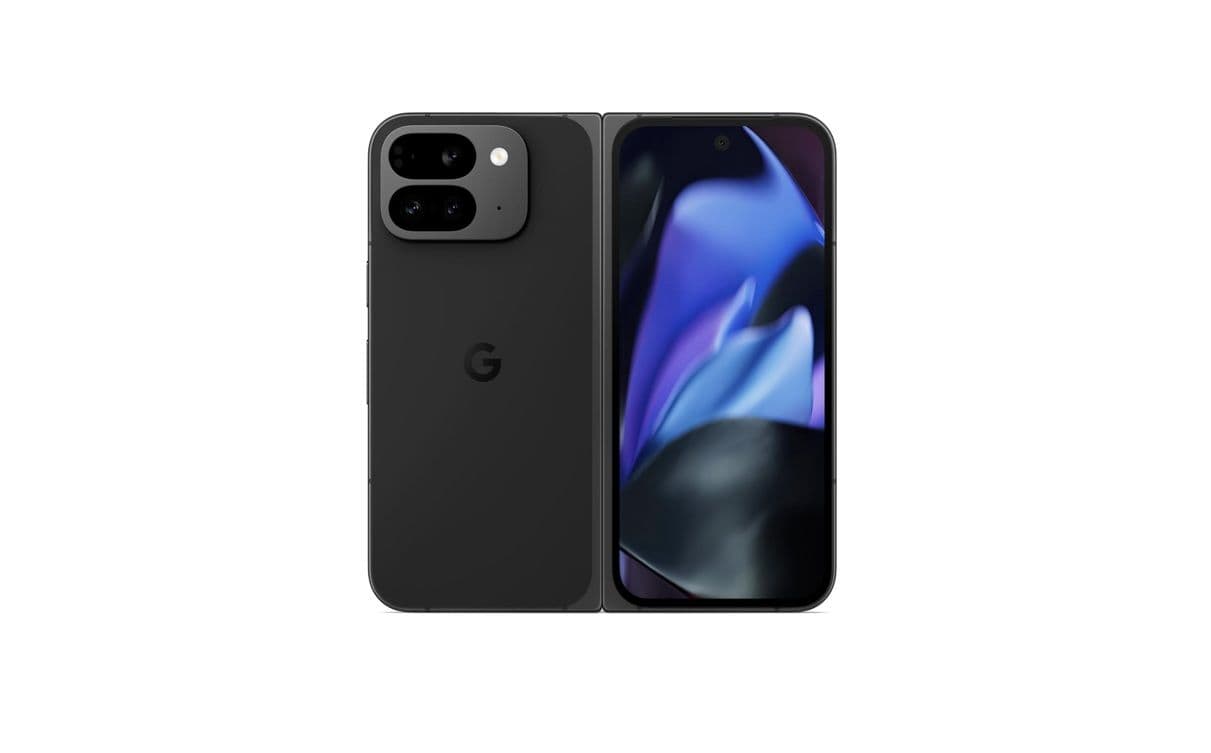
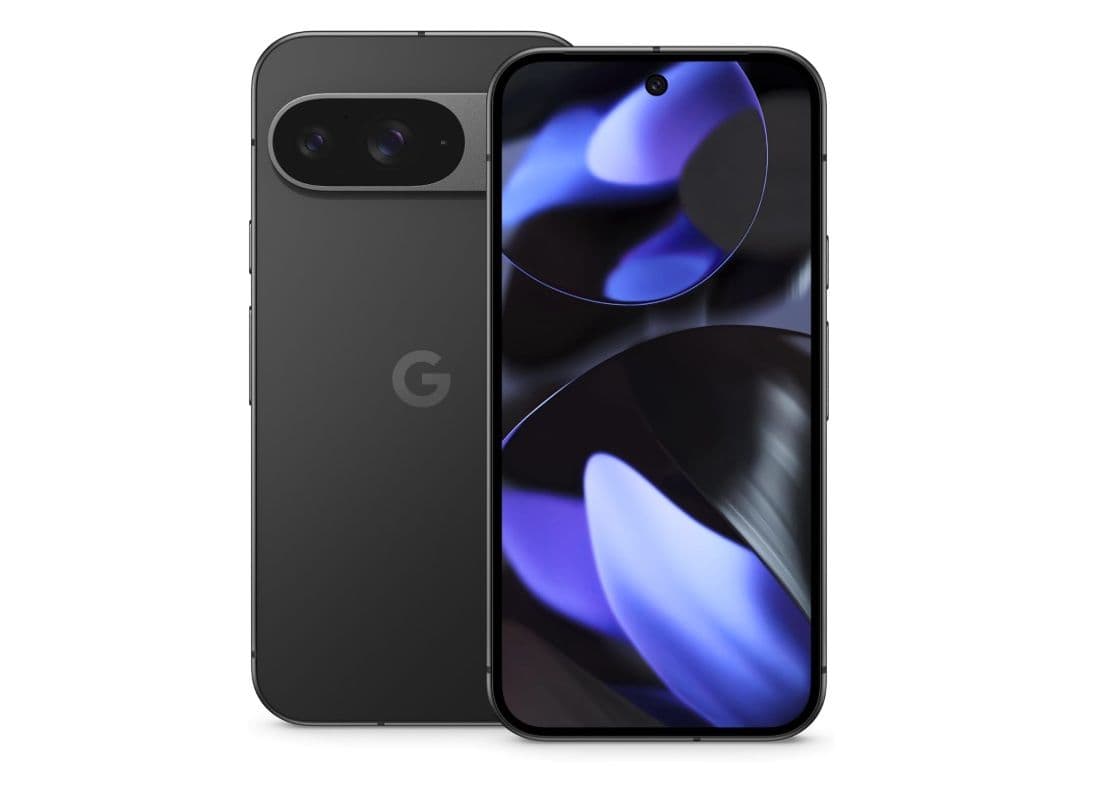
The Google Pixel 9 Pro Fold is slightly heavier and thicker. It measures 155.2 x 150.2 x 5.1 mm unfolded and 155.2 x 77.1 x 10.5 mm folded, weighing 257 g (9.07 oz). It has an IPX8 water resistance rating, indicating immersion up to 1.5m for 30 minutes. Its build consists of Gorilla Glass Victus 2 on both the folded front and back, with a plastic front when unfolded, and an aluminum frame. The Pixel 9 Pro Fold supports a Nano-SIM + eSIM setup.
See Also: Samsung Galaxy Z Fold7 vs Honor Magic V5: Which Is Better?
Displays
Both foldables offer impressive main displays. The Samsung Galaxy Z Fold7 features an 8.0-inch Foldable Dynamic LTPO AMOLED 2X main screen, with a resolution of 1968 x 2184 pixels (~368 ppi density). This display achieves a peak brightness of 2600 nits. It also incorporates a Titanium plate layer for display support.
The Google Pixel 9 Pro Fold features an 8.0-inch Foldable LTPO OLED main display, offering a resolution of 2076 x 2152 pixels (~373 ppi density). Its peak brightness reaches 2700 nits, making it slightly brighter than the Z Fold7's main screen. Both main displays on these devices offer a fluid 120Hz refresh rate and HDR10+ support.
For the cover displays, the Z Fold7 has a 6.5-inch Dynamic LTPO AMOLED 2X with 120Hz, Corning Gorilla Glass Ceramic 2, and a 1080 x 2520 pixel resolution (~422 ppi). The Pixel 9 Pro Fold's cover display is a 6.3-inch OLED with 120Hz, Corning Gorilla Glass Victus 2, and a 1080 x 2424 pixel resolution (~422 ppi). This cover display also boasts an impressive peak brightness of 2700 nits.
See Also: Samsung Galaxy Z Fold 7 vs Galaxy Z Fold 6: Which Is Better?
Performance
Under the hood, the Samsung Galaxy Z Fold7 is powered by the latest Qualcomm SM8750-AC Snapdragon 8 Elite (3nm) chipset. This includes an Octa-core CPU with 2x4.47 GHz Oryon V2 Phoenix L and 6x3.53 GHz Oryon V2 Phoenix M cores, alongside an Adreno 830 (1200 MHz) GPU. It ships with Android 16 and One UI 8, promising up to 7 major Android upgrades.
The Google Pixel 9 Pro Fold runs on Google's own Tensor G4 (4 nm) chipset. It features an Octa-core CPU (1x3.1 GHz Cortex-X4 & 3x2.6 GHz Cortex-A720 & 4x1.92 GHz Cortex-A520) and a Mali-G715 MC7 GPU. The Pixel 9 Pro Fold launched with Android 14, upgradable to Android 15, and also offers up to 7 major Android upgrades.
While both offer excellent performance, the Snapdragon 8 Elite in the Z Fold7 generally leads in raw CPU and GPU benchmarks compared to Google's Tensor chips. Both phones offer internal storage options up to 1TB (Z Fold7) or 512GB (Pixel 9 Pro Fold), with UFS 4.0 (Z Fold7) or UFS 3.1 (Pixel 9 Pro Fold) storage. The Z Fold 7 is available with 12GB or 16GB RAM, while the Pixel 9 Pro Fold comes with 16GB RAM options.
See Also: Google Pixel 9 vs Pixel 9 Pro vs Pixel 9 Pro XL: Which Should You Buy
Camera Systems
For photography, the Samsung Galaxy Z Fold7 features a powerful triple main camera setup: a groundbreaking 200 MP wide sensor (f/1.7, 1/1.3"), a 10 MP telephoto lens with 3x optical zoom, and a 12 MP ultrawide lens. It supports impressive 8K@30fps video recording with 10-bit HDR and HDR10+.
The Google Pixel 9 Pro Fold counters with a triple main camera system featuring a 48 MP wide sensor (f/1.7), a 10.8 MP telephoto lens with 5x optical zoom, and a 10.5 MP ultrawide lens.
While the megapixel counts are lower than the Z Fold 7's main sensor, Google's strength lies in its computational photography, offering features like Multi-zone Laser AF, Pixel Shift, Ultra-HDR, and Best Take. The Pixel 9 Pro Fold supports 4K@24/30/60fps video recording with 10-bit HDR, gyro-EIS, and OIS.
For front-facing cameras, the Z Fold7 has a 10 MP ultrawide front camera and a 10 MP wide cover camera. The Pixel 9 Pro Fold features 10 MP wide selfie cameras on both its main and cover displays.
See Also: Samsung Galaxy Z Flip 7 vs Galaxy Z Flip 7 FE: Which Should You Buy?
Battery and Charging

The Google Pixel 9 Pro Fold is equipped with a 4650 mAh battery, slightly larger than the Samsung Galaxy Z Fold7's 4400 mAh Li-Po battery. In terms of charging, the Z Fold7 supports 25W wired charging (reaching 50% in 30 minutes), 15W wireless charging, and 4.5W reverse wireless charging.
The Pixel 9 Pro Fold supports 21W wired charging and 7.5W wireless charging, with an additional bypass charging feature. A measured battery active use score for the Pixel 9 Pro Fold showed 11 hours and 54 minutes.
Audio, Connectivity, and Unique Features
Both foldables provide stereo speakers. Neither includes a 3.5mm headphone jack. The Z Fold7's audio is tuned by AKG with 32-bit/384kHz audio support.
Connectivity-wise, the Z Fold7 supports Wi-Fi 802.11 a/b/g/n/ac/6e/7 and Bluetooth 5.4. The Pixel 9 Pro Fold also supports Wi-Fi 802.11 a/b/g/n/ac/6e/7 and Bluetooth 5.3.
Both include comprehensive positioning systems (GPS, GALILEO, GLONASS, BDS, QZSS for Z Fold7; GPS (L1+L5), GLONASS, GALILEO, BDS, QZSS, NavIC for Pixel 9 Pro Fold) and NFC. Both phones include essential sensors like side-mounted fingerprint readers, accelerometers, gyroscopes, proximity sensors, compasses, and barometers.
The Z Fold 7 additionally supports Samsung DeX for a desktop experience and Ultra Wideband (UWB). The Pixel 9 Pro Fold also supports Ultra Wideband (UWB) and features a unique Satellite SOS service. Both devices feature the "Circle to Search" functionality.
Pricing
The Samsung Galaxy Z Fold 7 is priced around C$2,499.99 / 1,999.99/£1,174.30/€2,099.00. The Google Pixel 9 Pro Fold is generally more affordable, priced around C1,999.00 / $1,799.99 / £1,227.31 / €1,064.06.
Buy Samsung Galaxy Z Fold 7
Buy Google Pixel 9 Pro Fold
Which One to Buy: Google Pixel 9 Pro Fold or Samsung Galaxy Z Fold7?
Choosing between the Samsung Galaxy Z Fold 7 and the Google Pixel 9 Pro Fold comes down to your specific needs and preferences for a foldable smartphone.
Choose the Samsung Galaxy Z Fold 7 if:
- You prioritize absolute top-tier raw performance from the Snapdragon 8 Elite chipset.
- Camera specifications with a groundbreaking 200 MP main sensor and 8K video recording are your primary focus.
- You prefer a thinner and lighter design for maximum portability.
- You value the Samsung ecosystem, including features like Samsung DeX for a desktop-like experience.
- Having the latest Android version (Android 16) out of the box with extensive future updates is important.
Choose the Google Pixel 9 Pro Fold if:
- You prioritize Google's computational photography and AI features, including unique Pixel-exclusive camera modes.
- You prefer the clean Android experience of Google's Pixel line, with prompt software updates directly from Google.
- A more affordable premium foldable is a key consideration, as the Pixel 9 Pro Fold is significantly less expensive.
- You value slightly brighter displays on both the main and cover screens.
- Features like Satellite SOS service are appealing for emergencies.
Conclusion
Both the Samsung Galaxy Z Fold 7 and the Google Pixel 9 Pro Fold are exceptional foldable smartphones, pushing the boundaries of mobile technology in 2025. The Samsung Galaxy Z Fold7 is a technical marvel, offering peak performance, a cutting-edge 200 MP camera, and a refined, ultra-premium build. It's the ideal choice for users who want the absolute best specifications and are deeply integrated into the Samsung ecosystem.
However, the Google Pixel 9 Pro Fold presents a highly compelling alternative, particularly for those who value Google's unique blend of computational photography, a pure Android experience, and robust AI features. Its more accessible price point also makes it a strong contender for users seeking a premium foldable without the highest cost.
Ultimately, your "better" phone depends on what matters most to you. If raw power, camera megapixels, and the latest Samsung innovations are your priorities, the Z Fold7 is an excellent pick.
If you prefer Google's software philosophy, AI-driven photography, and a more budget-friendly entry into the premium foldable segment, the Pixel 9 Pro Fold is likely your perfect match. Consider your daily usage and budget carefully to make the best decision in the exciting foldable market of 2025.