Samsung and Massachusetts General Hospital Launch Galaxy Watch8 Health Study
Samsung and Massachusetts General Hospital have launched a new study exploring how Galaxy Watch8 data could support people undergoing GLP-1 treatment.
Quick Answer
Samsung and Massachusetts General Hospital have launched a new study exploring how Galaxy Watch8 data could support people undergoing GLP-1 treatment.
Advertisement
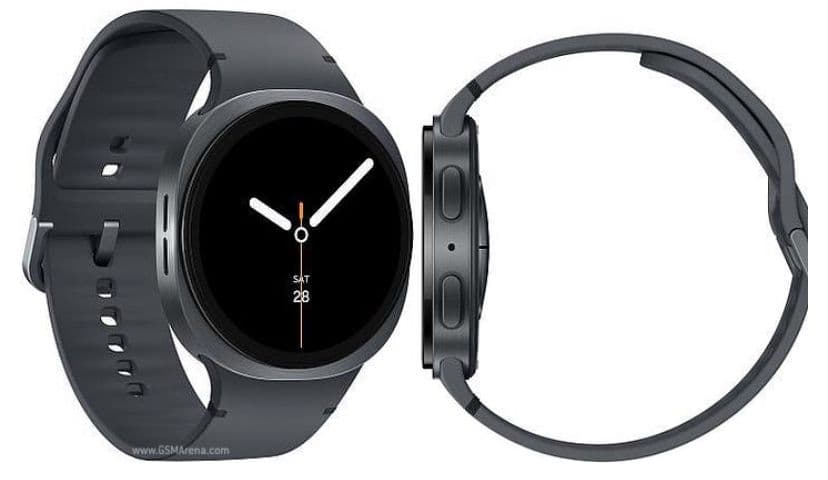
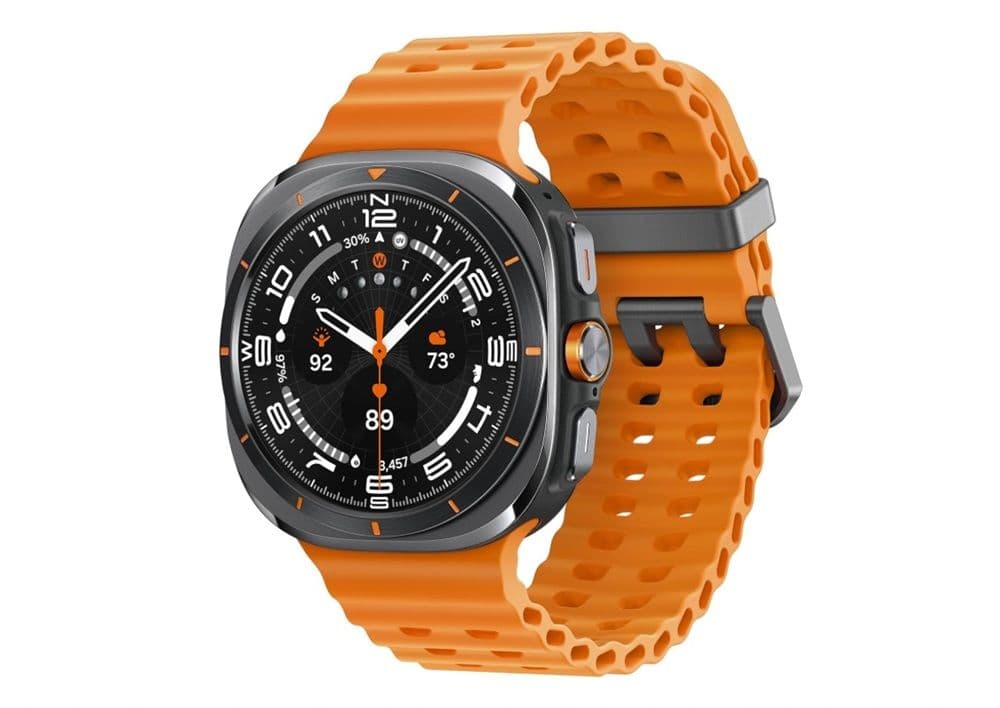
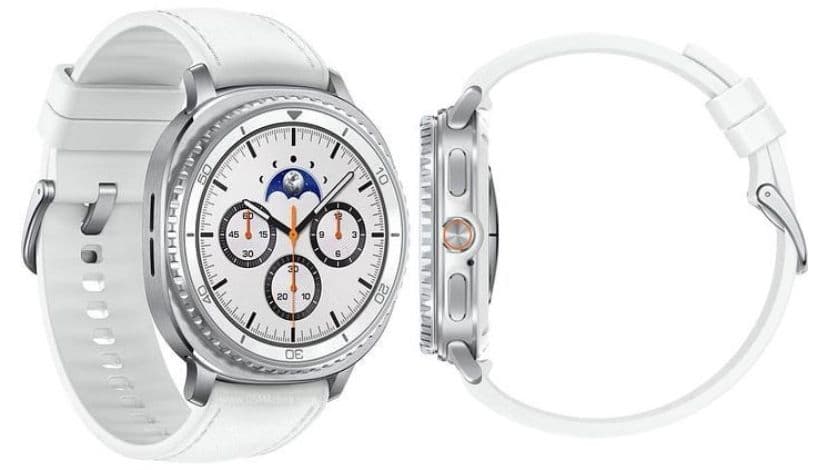
Samsung Electronics and the Massachusetts General Hospital Diabetes Research Center have announced a new clinical research study investigating how wearable technology may help people receiving GLP-1 therapy monitor changes in their physical condition.
The research will evaluate whether data collected by the Galaxy Watch8 can help track body composition changes and encourage healthier habits during treatment. The study will focus on adults beginning GLP-1 therapy and compare smartwatch-assisted monitoring with standard care approaches.
Read Also: VERTU Launches ALPHAFOLD Luxury Foldable Phone With Hermes Agent AI
What the Study Will Examine

According to Samsung, researchers will monitor:
- Body composition measurements
- Physical activity levels
- Exercise adherence
- Heart-rate information
- Lifestyle habit improvements
The study will involve 100 participants and use clinical DXA scans as a benchmark for measuring body composition changes. Researchers will then compare those findings with data collected from the Galaxy Watch platform.
Read Also: Xiaomi Watch S5 46mm and Smart Band 10 Pro Launch Globally
Important Context
Samsung is not announcing a new medical feature through this research.
Instead, the company is evaluating whether wearable monitoring can help users maintain healthier routines while undergoing treatment. The study has only recently started, and no results have been published yet.
Smartwatch makers are increasingly investing in clinical research to validate health features. This study reflects Samsung's broader strategy of expanding Galaxy Watch from a fitness tracker into a platform that can potentially provide more meaningful wellness insights backed by medical research.
If successful, the findings could influence future health-monitoring capabilities across Samsung's wearable ecosystem.